Saturday, 26 February 2022

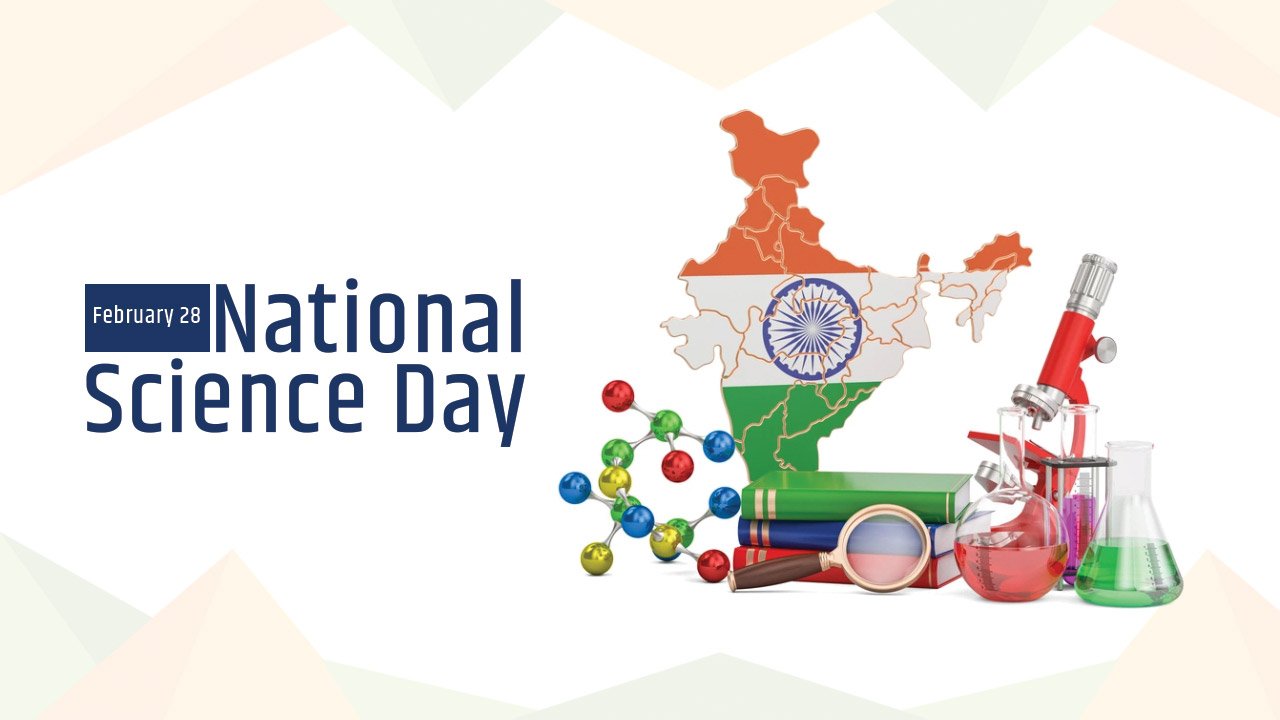
National Science Day


National Science Day is celebrated in India on 28 February each year to mark the discovery of the Raman effect by Indian physicist Sir C. V. Raman on 28 February 1928.

Sir Chandrashekhar Venkata Raman, popularly known as CV Raman. He was born to a Tamil family on November 7, 1888, in Tiruchirappalli, Tamil Nadu.

Raman's forefathers were agriculturists who settled in the Tanjore district near Porasakudi Village and Mangudi. Chandrasekhara Iyer, His father was a lecturer in mathematics and physics so that from the first he was immersed in an academic atmosphere. He entered Presidency College, Madras, in 1902, and in 1904 passed his B.A. examination, winning the first place and the gold medal in physics; in 1907 he gained his M.A. degree, obtaining the highest distinctions and continued his scientific work in his spare time.

In November 1906, aged 18, Raman had his first academic paper published. Over the next decade, he published some 30 papers in Nature, Philosophical Magazine and Physical Review—which helped to make his name familiar outside of India. In 1917, he was offered a physics appointment at Calcutta University. This marked the beginning of a very productive time in Raman’s life, which he termed his “golden era.” It extended from 1917 until 1933 and included multidisciplinary research in optics, acoustics and other branches of physics.

In 1918, Raman published the first in a series of experiments on the molecular diffraction of light, which led to his 1928 discovery of the Raman Effect.


 Raman Effect is a phenomenon in spectroscopy discovered by the eminent physicist Sir Chandrasekhara Venkata Raman in 1928.  After two years in 1930, he got Nobel Prize for this remarkable discovery and this was the first Nobel Prize for India in the field of Science. While working in the laboratory of the Indian Association for the Cultivation of Science, Kolkata.

Raman Effect is a change in the wavelength of light that occurs when a light beam is deflected by molecules. When a beam of light traverses a dust-free, transparent sample of a chemical compound, a small fraction of the light emerges in directions other than that of the incident (incoming) beam. Most of this scattered light is of unchanged wavelength. A small part, however, has wavelengths different from that of the incident light; its presence is a result of the Raman Effect.

Chandrasekhara Venkata Raman died, aged 82, of heart disease on November 21, 1970 in Bangalore, India.

In 1986, the National Council for Science and Technology Communication (NCSTC) asked the Government of India to designate February 28 as National Science Day. The event is now celebrated all over India in schools, colleges, universities and other academic, scientific, technical, medical and research institutions. On the occasion of the first NSD (National Science Day)(26 February 2020 ) NCSTC announced the institution of the National Science Popularization awards for recognizing outstanding efforts in the area of science and communication.


Themes of National Science Day

The theme of the year 1999 was “Our Changing Earth”.

The theme of the year 2000 was “Recreating Interest in Basic Science”.

The theme of the year 2001 was “Information Technology for Science Education”.

The theme of the year 2002 was “Wealth From Waste”.

The theme of the year 2003 was “50 years of DNA & 25 years of IVF – The Blue print of Life”.

The theme of the year 2004 was “Encouraging Scientific Awareness in Community”.

The theme of the year 2005 was “Celebrating Physics”.

The theme of the year 2006 was “Nurture Nature for our future”.

The theme of the year 2007 was “More Crop Per Drop”.

The theme of the year 2008 was “Understanding the Planet Earth”.

The theme of the year 2009 was “Expanding Horizons of Science”.

The theme of the year 2010 was “Gender Equity, Science & Technology for Sustainable Development”.

The theme of the year 2011 was “Chemistry in Daily Life”.

The theme of the year 2012 was “Clean Energy Options and Nuclear Safety”.

The theme of the year 2013 was “Genetically Modified Crops and Food Security”.

The theme of the year 2014 was “Fostering Scientific Temper”.

The theme of the year 2015 was “Science for Nation Building”.

The theme of the year 2016 was on "Scientific Issues for Development of the Nation".

The theme of the year 2017 was "Science and Technology for Specially Abled Persons"

The theme of the year 2018 was "Science and Technology for a sustainable future."

The theme of the year 2019 was "Science for the People, and the People for Science"

The theme of the year 2020 was "Women in Science."

The theme of the year 2021 was 'Future of STI: Impact on Education Skills and Work'.

The theme for NSD of the year 2022 is 'Integrated Approach in S&T for Sustainable Future'


Thursday, 24 February 2022

Sarojini Naidu


Sarojini Naidu

Born: 13 February, 1879

Place of Birth: Hyderabad

Parents: Aghore Nath Chattopadhyay (father) and Barada Sundari Devi (mother)

Spouse: Govindarajulu Naidu

Childrens: Jayasurya, Padmaja, Randheer, and Leilamani.

Education: University of Madras; King's College, London; Girton College, Cambridge

Associations: Indian National Congress

Movements: Indian Nationalist Movement, Indian Independence Movement

Religious: Hinduism

Publications: The Golden Threshold (1905); The Bird of Time (1912); Muhammad Jinnah: An Ambassador of Unity. (1916); The Broken Wing (1917); The Sceptred Flute (1928); The Feather of the Dawn (1961)

Passed Away: 2 March, 1949


Sarojini Chattopadhyay political activist, poet, feminist and the first Indian woman to be president of the Indian National Congress and to be appointed an Indian state governor. She was sometimes called “the Nightingale of India.”

She was born in Hyderabad State on 13 February 1879 to Aghorenath Chattopadhyay and Varada Sundari Devi. Her parental home was at Brahmangaon Bikrampur, Dhaka, Bengal province (present-day Konoksar village, Louhajang, Munshiganj Bangladesh). Her father was a Bengali Brahmin and the principal of Hyderabad college, which later became Nizam College. Her mother wrote poetry in Bengali.

Education

Chattopadhyay passed her matriculation examination to qualify for university study, earning the highest rank, in 1891, when she was twelve. From 1895 to 1898 she studied in England, at King's College, London and then Girton College, Cambridge, with a scholarship from H.E.H. the Nizam's Charitable Trust founded by the 7th Nizam of Hyderabad "Mir Osman Ali Khan". In England, she met artists from the Aesthetic and Decadent movements. She travelled briefly in Europe

Marriage

Chattopadhyay returned to Hyderabad in 1898. That same year, she married Dr. Muthyala Govindarajulu Naidu, a physician.

Role in the Indian National Movement

Sarojini Naidu became part of the independence movement by showcasing her oratory skills. She advocated for women’s rights and their empowerment.

As the partition of Bengal began in 1905, she connected with eminent leaders of the Indian National Congress.

She met Mahatma Gandhi in 1914 and was inspired by him to commit herself to political activism.

Between 1915-1918, she excelled in delivering her oratory skills about the social welfare of women. She encouraged women to step out of their homes and fight for the independence of the country.

In 1917, Naidu accompanied Annie Beasant, the president of the Home Rule to advocate for women’s suffrage in front of the Joint Select Committee in London. She also showed support for the Lucknow Pact, a joint Hindu-Muslim demand for British better political reform.

Inspired by Gandhi's movement of nonviolent resistance against British rule, she joined his satyagraha.

In 1925, she was made the first female president of the Indian National Congress. A couple of years later, she became a founding member of the All India Women's Conference.

In 1930, Sarojini Naidu and a few other women activists, including Khurshed Naoroji and Kamaladevi Chattopadhyay, joined Gandhi’s Salt March.

In 1931, Sarojini Naidu joined the Round Table Conference in London under the Gandhi-Irwin Pact. She was, however, jailed in 1932.

She was imprisoned multiple times by the British due to her nationalist activities. She was imprisoned for 21 months following her arrest in 1942 for her participation in the Quit India Movement.

After India’s independence in 1947, Naidu became the first governor of Uttar Pradesh. She retained office till her death in 1949.


Literary Achievements

Besides her role and contribution to the Indian Nationalist Movement, Sarojini Naidu is also revered for her contribution in the field of Indian poetry. In 1905, her collection of poems was published under the title "Golden Threshold". After that, she also published two other collections called "The Bird of Time", and "The Broken Wings".

Death

Sarojini Naidu was the first women Governor of Uttar Pradesh. On 2nd March 1949, Sarojini Naidu died at Lucknow, Uttar Pradesh.

Monday, 21 February 2022

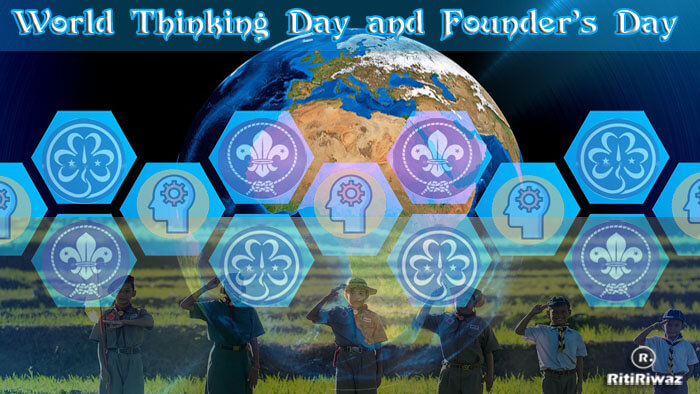
World Thinking Day or Scout Day (विश्व विचार दिवस)


विश्व विचार दिवस (THINKING DAY), पूर्व में थिंकिंग डे, 22 फरवरी को वार्षिक रूप से दुनिया भर के स्काउट और गाइड संगठनों द्वारा भी मनाया जाता है।

1926 में, संयुक्त राज्य अमेरिका के कैंप एडिथ मैसी (वर्तमान में एडिथ मेसी कॉन्फ्रेंस सेंटर) के गर्ल स्काउट्स में आयोजित चौथे बालिका स्काउट अंतर्राष्ट्रीय सम्मेलन में, सम्मेलन प्रतिनिधियों ने एक विशेष अंतर्राष्ट्रीय दिवस की आवश्यकता पर चर्चा की थी। गर्ल गाइडिंग और गर्ल स्काउटिंग और दुनिया भर की सभी गर्ल गाइड और गर्ल स्काउट्स के विश्वव्यापी प्रसार के बारे में विचार किया, उन्हें, उनकी बहनोंको धन्यवाद और सराहना दी। प्रतिनिधियों द्वारा यह निर्णय लिया गया कि यह दिन 22 फरवरी को होगा, जो लॉर्ड बेडेन-पॉवेल, बॉय स्काउट आंदोलन के संस्थापक और लेडी ओलेव बेडेन-पॉवेल, उनकी पत्नी और प्रथम विश्व मुख्य मार्गदर्शक दोनों का जन्मदिन होगा।

स्काउट एवं गाइड आंदोलन वर्ष 1908 में ब्रिटेन में सर बेडेन पॉवेल द्वारा आरम्भ किया गया? भारत स्काउट एवं गाइड की शुरुआत वर्ष 1909 में हुई, तथा आगे चलकर भारत वर्ष 1938 में स्काउट आंदोलन के विश्व संगठन का सदस्य भी बना। वर्ष 1911 में भारत में गाइडिंग की शुरुआत हुई, तथा 1928 में स्थापित गर्ल गाइड्स तथा गर्ल स्काउट्स के विश्व संगठन में भारत ने एक संस्थापक सदस्य की भूमिका निभाई। 

भारतवासियों के लिए स्काउटिंग की शुरूआत न्यायाधीश विवियन बोस, पंडित मदन मोहन मालवीय, पंडित हृदयनाथ कुंजरू, गिरिजा शंकर बाजपेई, एनी बेसेंट तथा जॉर्ज अरुंडाले के प्रयासों से वर्ष 1913 में हुई। 

भारत में भारत स्काउट एवं गाइड (बी.एस.जी.)’ राष्ट्रीय स्काउटिंग एवं गाइडिंग संगठन है। इसकी स्थापना 7 नवम्बर, 1950 को स्वतंत्र भारत में जवाहरलाल नेहरू, मौलाना अबुल कलाम आज़ाद तथा मंगल दास पकवासा के द्वारा की गई।

भारत स्काउट एवं गाइड निम्न कुछ प्रमुख सिद्धांतों पर आधारित है

  1. ईश्वर के प्रति कर्तव्य:- आध्यात्मिक नियमों का पालन करना, अपने धर्म के प्रति निष्ठावान रहना तथा अपने ईश्वर द्वारा प्रदत्त कर्तव्यों एवं ज़िम्मेदारियों को स्वीकार करना।
  2. अन्य लोगों के प्रति कर्तव्य:- अपने राष्ट्र के प्रति निष्ठावान रहते हुए, स्थानीय, राष्ट्रीय तथा अंतर्राष्ट्रीय शांति, समझ एवं आपसी सहयोग की प्रोत्साहित करना।
  3. स्वयं के प्रति कर्तव्य:- स्वयं के विकास की ज़िम्मेदारी को निभाना।

स्काउट एवं गाइड की विधियां

भारत स्काउट एवं गाइड पद्धति प्रगतिशील स्वयं शिक्षा प्रणाली है, यद्यपि

  • यह एक वचन तथा कानून भी है।
  • यह कर के सीखने में विश्वास रखता है।
  • किसी वयस्क के नेतृत्व में छोटे समूहों की सदस्यता।
  • प्रतिभागियों की रूचि के अनुसार विभिन्न प्रगतिशील एवं प्रेरणादायक कार्यक्रमों का आयोजन।

स्काउट एवं गाइड के नियम

भारत स्काउट एवं गाइड के कुछ मुख्य कानून व नियम

  • स्काउट / गाइड विश्वसनीय होता/होती है।
  • स्काउट/गाइड वफादार होता/होती है।
  • स्काउट/गाइड सबका/सबकी मित्र ओर प्रत्येक दुसरे स्काउट /गाइड का/की भाई/बहिन होता/होती है।
  • स्काउट/गाइड विनम्र होता/होती है।
  • स्काउट/ गाइड पशु पक्षीयो का मित्र ओर प्रकृति प्रेमी होता/होती है।
  • स्काउट/गाइड अनुशासनशील होता/होती है ओर सार्वजनिक सम्पत्ति की रक्षा करने में सहायता करता / करती है ।
  • स्काउट/ गाइड साहसी होता/होती है ।
  • स्काउट/गाइड मितव्ययी होता/होती है।
  • स्काउट/गाइड मन,वचन,और कर्म से शुद्ध होता/होती है ।

भारत स्काउट एवं गाइड मोटो(सिद्धांत): “बी प्रिपेयर्ड (तैयार रहो)


 लॉर्ड रॉबर्ट बैडेन-पॉवेल

लॉर्ड रॉबर्ट बैडेन-पॉवेल, (22 फरवरी, 1857 - 8 जनवरी, 1941) एक सैनिक, लेखक और विश्व स्काउटिंग आंदोलन के संस्थापक थे। उनके पिता ने ऑक्सफोर्ड विश्वविद्यालय में ज्यामिति के सैविलियन प्रोफेसर के रूप में कार्य किया और जब रॉबर्ट केवल तीन वर्ष के थे, तब उनकी मृत्यु हो गई।

बैडेन-पॉवेल ने 1876 से 1910 तक भारत और अफ्रीका में ब्रिटिश सेना में सेवा की। 1899 में, दक्षिण अफ्रीका में द्वितीय सूअर युद्ध के दौरान, बाडेन-पॉवेल ने माफ़ेकिंग की घेराबंदी में शहर का सफलतापूर्वक बचाव किया। 8,000 से अधिक पुरुषों की एक बोअर सेना ने उसे और उसके सैनिकों को घेर लिया। हालांकि पूरी तरह से संख्या में, गैरीसन ने 217 दिनों के लिए घेराबंदी का सामना किया, और इसका अधिकांश भाग गैरीसन के कमांडर के रूप में बैडेन-पॉवेल के इशारे पर स्थापित कुछ चालाक सैन्य धोखे के कारण है। नतीजतन, बैडेन-पॉवेल घर वापस एक राष्ट्रीय नायक बन गए।

अपने घर लौटने पर, बैडेन-पॉवेल ने पाया कि उनका सैन्य प्रशिक्षण मैनुअल "एड्स टू स्काउटिंग" एक सर्वश्रेष्ठ विक्रेता बन गया था, और इसका उपयोग शिक्षकों और युवा संगठनों द्वारा किया जा रहा था। लड़कों के ब्रिगेड के संस्थापक सर विलियम स्मिथ के साथ एक बैठक के बाद, बैडेन-पॉवेल ने युवा पाठकों के अनुरूप स्काउटिंग के लिए एड्स को फिर से लिखने का फैसला किया और 1907 में मिश्रित सामाजिक पृष्ठभूमि के 22 लड़कों के लिए ब्राउनसी द्वीप पर एक शिविर आयोजित किया। उनके कुछ विचारों का परीक्षण करें, जिन्हें अब स्काउटिंग आंदोलन की शुरुआत के रूप में देखा जाता है।

"स्काउटिंग फॉर बॉयज़" बाद में 1908 में छह किश्तों में प्रकाशित हुआ। लड़कों ने स्वचालित रूप से स्काउट सैनिकों का गठन किया और स्काउटिंग आंदोलन अनजाने में शुरू हो गया था, पहले एक राष्ट्रीय, और जल्द ही एक अंतरराष्ट्रीय जुनून।

हालांकि वह अपने सैन्य करियर को जारी रख सकते थे, बैडेन-पॉवेल ने किंग एडवर्ड सप्तम की सलाह पर 1910 में सेना से सेवानिवृत्त होने का फैसला किया, जिन्होंने सुझाव दिया कि वह स्काउटिंग को बढ़ावा देकर अपने देश की बेहतर सेवा कर सकते हैं।

उनके नेतृत्व में, बैडेन-पॉवेल ने स्काउटिंग को दुनिया के युवाओं तक पहुँचाया और विश्व स्काउटिंग आंदोलन का विकास हुआ। 1910 के अंत तक, इंग्लैंड में 100,000 से अधिक स्काउट थे। 1922 में, 32 देशों में और 1939 तक दस लाख से अधिक स्काउट्स थे; स्काउट्स की संख्या 3.3 मिलियन से अधिक हो गई थी। बैडेन-बॉवेल को उचित रूप से "दुनिया के प्रमुख स्काउट" के रूप में जाना जाने लगा।

Monday, 7 February 2022

Result Software for Session 2021-22

 Download  Result Software


Class VI-VIII for session 2021-22     


 Class IX (Term-Wise) for session 2021-22    


Class XI(Term-Wise) for session 2021-22


  Source:- https://vargaurav.wordpress.com/2022/01/31/term-wise-kvs-class-xi-result-software-2021-22/ 


BOARD EXAM PAPERS-2025

  Marking Scheme  Question Papers